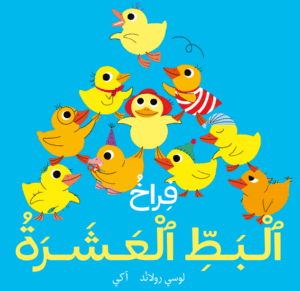
 Ten Little Ducklings
 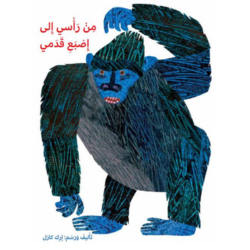 From My Head to My Toe
 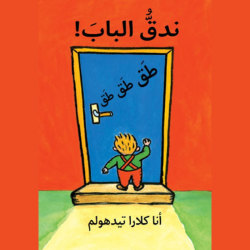 Knocking on the Door – to the Nursery
 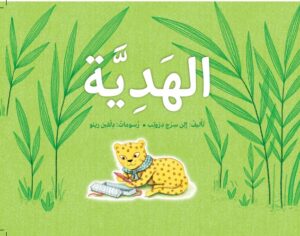 The Gift
 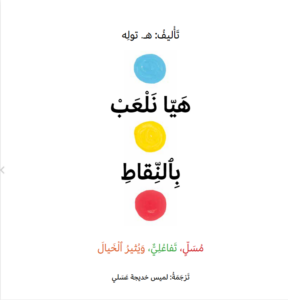 We Play with Dots
 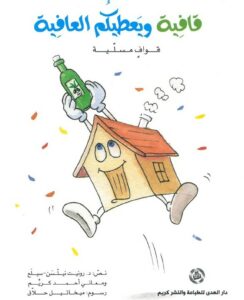 Enjoyable Rhymes
 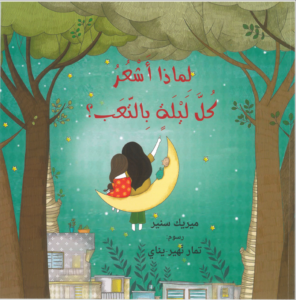 Why Am I Tired At Night?
 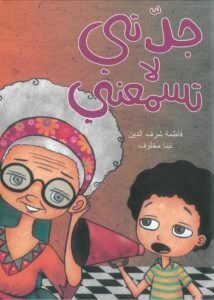 My Grandma Doesn’t Hear Me
 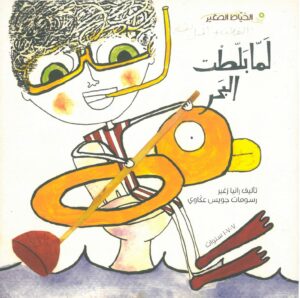 When I Paved the Sea


Save
About the book
Dear Parents,
In this book, ten little ducklings want to play, so they head together to different places—the pond, a hot-air balloon, a birthday party, and more. At every stop, the ducklings discover a new world, and each one enjoys the experience in their own special way. Despite their different personalities and preferences, they are united by joy, play, and shared adventures.
This book invites children to explore new environments, embrace diversity and differences among friends, and express themselves through their unique styles of play and enjoyment. The story also engages the child directly in the fun: on each page, they are invited to search for a duckling showing a distinctive behavior and, once they find it, to cheer, “I found you, little Duckling!”—letting them experience the joy of discovery just like the ducklings in their adventures.
The book supports early quantitative thinking skills such as counting and understanding order. It strengthens listening comprehension through following simple instructions, develops visual-analysis skills, and enhances phonological awareness through rhyme and rhythm—encouraging children to enter the world of books with delight.
Save
About feelings and ways of enjoying
Let’s Talk
About feelings and ways of enjoying
Ask your child: “What did you think of the ducklings’ day? Did they enjoy themselves? How do you know?”
Beyond joy and playful enjoyment, you can expand the conversation to include other feelings that may accompany fun, such as tiredness or slight irritation.
For example: Rashrash seems happy but sleepy. Rabee‘ is enjoying himself but looks a little annoyed.
About the characters
Re-read the story and choose one duckling from the name page each time.
Follow that duckling in every scene: What is it doing? How does it feel?
Would your child like to be in its place? Why or why not?
Save
Describe the different ducklings based on their actions or appearance
Let’s Enrich Our Language
Look closely at the illustrations and describe the different ducklings based on their actions or appearance.
Save
Each page takes the ducklings to a new, activity-filled place. These may remind your child of adventures
Let’s Express Ourselves
Each page takes the ducklings to a new, activity-filled place. These may remind your child of adventures they’ve already had—or inspire you to plan new ones.
Choose a place together and plan a family outing. Encourage your child to describe the activities they would enjoy doing there.
Save
Explore different environments through the illustrations
Let’s Learn
Explore different environments through the illustrations and ask your child:
What do we wear when we go to the snow? What do we take with us to the beach?
Save
Ask counting and sorting questions
Let’s Develop Thinking Skills
Practice counting from 1 to 10 using the ducklings.
Ask counting and sorting questions, for example:
How many ducklings are in the pond? How many are wearing red helmets?
Save
Hide ten small ducks around the house and ask your child to find them
Let’s Play
- Hide ten small ducks around the house and ask your child to find them.
Save
Choose family pictures that capture joyful moments, adventures, and places you’ve visited together.
Let’s Create
Choose family pictures that capture joyful moments, adventures, and places you’ve visited together.
Collect them into a photo album, browse it together, and talk about these experiences and the happiness they brought.
Save
Let’s talk...
About the sense of capability as children mimic the movements of various animals. We can talk to our child about tasks they can now accomplish that they couldn’t before. We can also boost their sense of capability by saying, “Yes, you can!”
About play: The book is interactive and encourages movement and play. We can talk with our child about the games they enjoy and introduce them to games we used to enjoy in our childhood.
Save
Let’s enrich our Language...
The book is rich with action verbs and body part names like arms, legs, feet, neck, etc. We can facilitate their use in our daily lives to describe body parts and movements, encouraging the child to describe their actions.
Save
Let’s explore...
We can explore different sources for information about the animals mentioned in the book: their types, food, and living habits. Also, we can enjoy watching a documentary with our child.
Save
Let’s create...
The book employs the well-known collage technique of the illustrator Eric Carle, creating a beautiful composition of cutouts, fabrics, newspapers, and household materials.
Save
Let’s play...
We can play the “Animal Yoga” game together, mimicking the movements of the various animals mentioned in the book, and adding other animals!
Save
About the book
Dear Parents,
This fun and interactive book takes us on a journey with our child, where we knock on doors filled with surprises. These surprises allow the child to explore their world, and give us, the parents, the chance to see things through their eyes.
The book helps expand our child’s knowledge, enrich their vocabulary, and expose them to various concepts such as: colors, numbers, shapes, and animal names. It also opens the door to conversations about feelings and develops different sensory skills.
We rejoice as we see our child grow rapidly, experiment, feel, and learn. When we allow them to experience diverse situations and accompany them with patience and love, their curiosity and desire to learn and explore flourish, and they acquire new skills and information. This strengthens their abilities to understand and express themselves.
Let’s hold our child close and knock on the doors of the book together. Let’s read and enjoy it side by side.
Save
Before opening the door: Ask the child to guess what’s behind the door based on the color or the picture.
Let’s Talk
Before opening the door: Ask the child to guess what’s behind the door based on the color or the picture. Knock on the door and open it together, then observe the illustration and ask: Who’s behind the door? What are they doing? Name the characters, the objects, and their actions.
About feelings: Talk to the child about the characters’ emotions. For example, ask: How did the rabbit feel when it ate the carrot?
About preferences: Ask your child what color they love, and look together for objects of the same color.
Save
Explore the meanings of some verbs mentioned in the book
Let’s Enrich Our Language
Explore the meanings of some verbs mentioned in the book such as: knock, nibble, rub—then act them out together. It’s important to use these words with your child in daily life.
Save
Let’s Broaden Our Knowledge
Let’s Broaden Our Knowledge
Colors: Choose a door color with your child, and search the room for objects of the same color, naming them together.
Let’s count together: Hold your child’s finger, trace the animals on the page, and count them. You might ask: How many rabbits do you see? How many monkeys? Then: How many fingers on your hand? How many eyes do you have?
Save
Imitate the sounds of the animals in the book.
Let’s Play
Imitate the sounds of the animals in the book, like monkeys, or objects like a drum. Listen to the different sounds around you, whether indoors or outdoors, name them, and imitate them.
Save
Let’s talk...
About the Gift: What do you think about “Leo’s” gift? Did you like it, and why? What gift would you want for your birthday? And why?
About writing experience: We can share our memories of moments when we discovered we could write with our child. For example: when we wrote our name for the first time, and when we drew shapes and wrote numbers. We can talk with them about similar experiences they’ve had, and perhaps we can take their hand and writetheir name together.
About animal illustrations: We might ask: Which animal accompanies “Leo”? What other animals are mentioned in the book? What are the commonalities between the children’s world and the animals’ world in the story?
Save
Let’s enrich our language...
Describe pur environment: We can go out with our child to the house yard or balcony, observe a scene, then ask our child to describe it with their eyes closed. We can encourage them to use precise descriptions and actions.
Create a story: our child can tell a story about each drawing, and we can encourage them to express their thoughts and feelings, to enrich their language and build bridges of communication and love between us.
Let’s search for names of animals that belong to the big cat family, like Leo.
Save
Let’s create...
We can dedicate a notebook for writing or drawing family memories. We can enjoy browsing through it from time to time in an enjoyable family session!
Family collage: One family member starts by drawing a shape, and others add lines and shapes to create an amazing collective artwork!
Save
Let’s Talk
- During the first reading, we participate with our child as we follow instructions together. This helps our little one to understand actions through our embodiment and imitation.
- About emotions: we can ask our child how they felt when we read the book and played together, and which books they love and prefer.
- About playing together: we can ask our children which activities and games they like to play together.
Save
Let’s Create
Children learn the art of pointillism and create paintings using this technique. We can use felt-tip pens, cotton swabs, and paint.
Save
Let’s Enrich our Language
- The book is rich in vocabulary and linguistic concepts, touching, pressing, softening, illuminating, and more. We can explain these to our children during reading and use them in daily life.
- We can recall encouraging words from the text and try to use them in our daily lives.
Save
Let’s Play and Have Fun Together
We can play “The King Says:” participants must follow the instructions preceded by the phrase “The King Says.” For example, if we say, “The King says jump to the right,” we jump together. If we say “Jump to the right” only, we don’t jump. We can take turns as a
Save
Let’s Explore
The book presents the art of color blending and mixing. We can mix colors together and learn about new colors.
Save
Read the book...
Read the book together and observe the drawings. Explain to your child the meaning of unknown words, such as carpentry shop, India, lantern.
Save
Chose some words...
Chose some words from the book, such as cup, Summer, cucumber, etc. Encourage the child to think of similar words that rhyme with words from the book. Help the child to construct a sentence that links the two rhyming words.
Save
The child may...
The child may desire to add an additional sentence or more on the book’s last page or to draw some pictures.
Save
"Humanizing" objects...
“Humanizing” objects or animals or attributing feelings to them is part of the fun in rhyming games. Observe the drawings with the child and talk with him/her about what indicates feelings in the drawing (like the happiness of the oil bottle for winning, or sleepiness of the tongue.)
Save
Read together with...
Read together with the child the title of the book. Discuss what can make us feel tired by the end of the day.
Save
Read the dialogue...
Read the dialogue between the girl and her mother. Pause at every action the organs do (the mouth, the nose…). Many verbs that appear in this book are in classical Arabic. Some of these verbs may be novel to the child. Following the verbs in the drawings can help the child to understand the meaning of the verbs.
Save
"let's reenact wha...
“Let’s reenact what the hands do!” Change roles by reenacting one of the organs. Acting helps the child in understanding and internalizing the meaning of a verb. This way, the child will reuse the verb to express his/her own experience.
Save
The body organs...
“The body organs tell their own story!” Ask the child to lay down on a big cardboard. Mark the lineout of the entire child’s body. Help the child draw the body details while he/she talks on behalf of the organ about what it has accomplished today. For example, “I am the nose, I smell and breathe.”
Save
Our body organs...
Our body organs work hard for us. So, how do we take care of our organs? Discuss with the child daily care routines of body organs.
Save
Grandmothers and grandfathers...
Grandmothers and grandfathers have a special place in most children’s lives. And the grandparents’ house has its unique smells, tastes, and distinct sights that inhabit the memory of children when they grow up. We can talk with our child about the things they love in their grandparents’ home or in the house of any other person who is close to the family and to our child. Is there a corner in the house that they favor? What do they like to do in their grandparents’ house?
Save
The grandmother in...
The grandmother in the story expresses her concern for her grandson in different ways. We can talk with our child about their interactions with their grandmother or grandfather and how they express their love to each other. For example, preparing a favorite dish, buying small gifts, or telling the grandchildren interesting stories. We can also talk about what we can do to express our concern for our grandmothers and grandfathers.
Save
Do you remember...
Do you remember the hilarious “broken phone” game? The family members sit in a circle, and one of them quickly whispers a word in their neighbor’s ear. The second has to whisper what they heard in the other neighbor’s ear…and so on, until the whispered word reaches the last person in the circle, just to discover that what they heard has nothing to do with the original word!
Save
We can test...
We can test various methods to enhance the delivery of sound to a far location, such as encircling the mouth with both hands, and ways to improve the hearing of sounds, such as tilting the outer ear forward. Are there other methods?
Save
Together, we can...
Together, we can design an amplifier from household items, such as: a cardboard tube, metal foil, or paper cups. We can test a number of amplifiers from different materials and compare them: which sounds best?
Save
If your friend...
If your friend is good as honey, don’t lick him all We can go over the situation without mentioning the idiom, and have a small conversation with our children regarding the child’s desires in the story: are they logical? Can the mother give the child everything he/she wants? We can read the idiom and look at the drawing that describes it: who is the honey in the drawing? What does the drawing tell the child?
Save
The camel limped...
The camel limped because of his lips. Children sometimes try to make any excuse to avoid going to school. It is important to listen carefully to what the child says directly, and try to understand if there is an indirect call of distress because of something the child is going through. We can go over the situation, without reading the idiom, and have a conversation concerning the reasons why the child in the book may not want to go to kindergarten. We can take a look on the camel drawing: does his swallowed lip forbid him to walk?
Save
The pot found...
The pot found its cover. We can talk with our children about the 2 friends in the story: do they love the same games? We can take a look at the drawing and have a conversation about the similarity between the pot and its cover to the two friends in the story. We can have a conversation about our friends who can be a “cover to our pot”: what do we like to do with them?
Save
A hair grew on...
A hair grew on my tongue We can check our tongue: can hair grow on it? Can it grow one day? We can read the situation that talks about the mother who asked her child, several times, to clean up his room: What happened to her tongue as a result of repeating the same sentence? We can imagine different things that might happen to her tongue. We can think together: What can the child and his mother do, so “hair won’t grow on her tongue”?