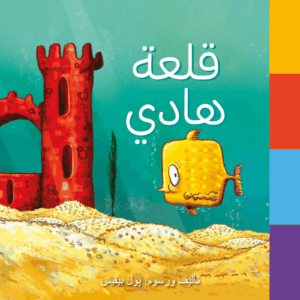
 Hadi’s Castle
 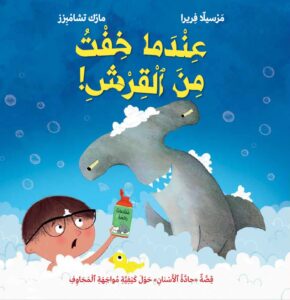 When I Was Afraid of the Shark!
  Worry Dolls
 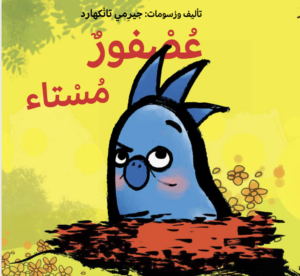 Grumpy Bird
 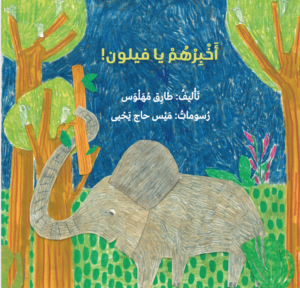 Fayloon
 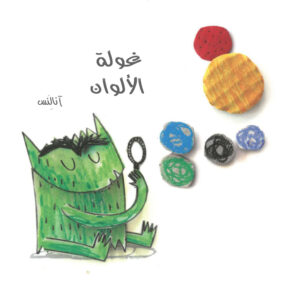 The Color Monster
 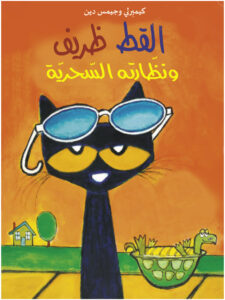 Pete the cat & his magic sunglasses
  Duna Wants


Save
About the book
Dear Parents,
Accepting change can be challenging—especially in early childhood, when a child feels that everything around them belongs to them and is an extension of themselves.
This story explores the theme of change and the range of emotions that come with it. Opening the castle doors to someone new may feel unsettling and may raise many questions—for example: “What will this new person bring?”
The story encourages openness and sharing with new friends as a way to broaden perspectives and create fun, imaginative play.
Save
Talk with your child about the things that feel personal to them.
Let’s Talk
Each of us has our own familiar environment: our home, our toys, and the space we enjoy. Talk with your child about the things that feel personal to them.
Ask questions such as: “Which toy is closest to your heart?”
What happens when you visit a new place for the first time? Or when someone new visits your home?
It’s important to reassure the child that feeling anxious or hesitant to join in is natural—just like Hadi felt at the beginning of the story. And that things often change once we give ourselves the chance to try.
Just as happened with Hadi, when he started playing hide-and-seek with Salma, his fear gradually faded and joy took its place.
Save
Enrich your child’s vocabulary with new words from the story related to the setting and events
Let’s Enrich Our Language
Ask your child: “Are you ready to swim with Hadi?”
Move your hands in circular motions as if you are swimming, and point to the illustrations in the story to help your child connect words with meaning.
Enrich your child’s vocabulary with new words from the story related to the setting and events, such as: plant, shell, in front of, behind.
Save
Ask: “Where does Hadi live?”
Let’s Explore
Ask: “Where does Hadi live?”
Offer examples of different homes such as a house or a nest.
Then name the elements found in Hadi and Salma’s environment: grass, shells, etc.
Save
Color fish of different sizes and shapes, then glue them onto a blue cardboard sheet
Let’s Create
Color fish of different sizes and shapes, then glue them onto a blue cardboard sheet to create a beautiful underwater scene.
You can also build a castle using blocks or any materials available at home.
Save
Fill a plastic container with water and add some shells, plants, and sand.
Let’s Play
Fill a plastic container with water and add some shells (if available), plants, and sand.
Let your child explore the textures and enjoy sensory play.
Save
About the book
Dear Parents,
Has your child ever experienced a fear that seemed exaggerated to you?
Louay spotted a small shark at the beach, and from that moment on, his fears began to grow. His imagination took over, and he started to picture sharks everywhere: in the garden, at home, even in the bathroom! But with the help of his wise grandfather, Louay learns to understand and accept his feelings, freeing himself from fear and stepping confidently into new adventures.
This story gives us an opportunity to talk with our children about their different fears—whether it’s fear of the dark, monsters under the bed, or even sharks… Who among us doesn’t feel afraid sometimes?
It’s important to remember that most of these fears are not realistic and are often magnified by a child’s imagination. When emotions mix with imagination, a small worry can grow into a big fear.
The grandfather teaches us that fear is a natural feeling that everyone experiences. But when we express our fears and accept them, they lose much of their intensity. So let’s give our children the space to express themselves, listen attentively, and support them in understanding and embracing their feelings—so they can take their first steps toward new adventures!
Save
Follow the text with your child and explore what is real and what is imaginary in the events
Let’s Talk
About Louay’s experience
What was Louay afraid of in the story?
Would the shark really have eaten him?
Follow the text with your child and explore what is real and what is imaginary in the events—
For example: Could a shark actually bite him on the swing?
About similar experiences
What scares you?
Have you ever imagined something that wasn’t real? What was it?
Share with your child some fears you had when you were young and how you overcame them. Who helped you?
About coping with fear
How did the grandfather help Louay overcome his fear?
What happened to Louay once he understood and accepted his fear?
What can we do when we feel afraid?
Save
Learn new terms from the story such as: raises his doubts, unlikely, I cope with it.
Let’s Enrich Our Language
Learn new terms from the story such as: raises his doubts, unlikely, I cope with it.
Explain them and practice using them in sentences.
The shark appears with Louay on every page—search for it together and invite your child to describe its location using expressive language.
Save
Encourage your child to draw the thing they fear, and then transform the drawing into something funny.
Let’s Create
Encourage your child to draw the thing they fear—such as a thief or a monster—and then transform the drawing into something funny. Adding humor can greatly reduce fear and help the child approach their worries more rationally.
Save
Explore different types, sizes, and shapes of sharks.
Let’s Discover
Explore different types, sizes, and shapes of sharks. Gather information together and learn interesting facts about them.
Save
About the book
Dear Parents,
Does your child worry excessively?
Basel worries about almost everything—hats, clouds, even shoes. He feels confused and thinks he might be silly. But when his grandmother gives him a set of tiny “worry dolls” and reveals their secret, Basel manages to overcome his anxiety… and even tries to help the worry dolls themselves.
During childhood, a child’s thoughts, imagination, and questions grow rapidly, while their ability to understand and regulate their emotions is still developing. This is why children sometimes worry about things that seem simple or ordinary to us. It is important to explain to our child that worry is a natural feeling—we all experience it in different situations, and it sometimes helps us stay alert and cautious, which is a good thing.
But at other times, unrealistic fears appear and cause stress without a real reason.
We should avoid dismissing their feelings by saying, “There’s nothing to be afraid of!” Instead, we can say, “I’m here with you, and I understand how you feel,” to give them reassurance and a sense of safety. As in the story, with the help of the worry dolls, the grandmother teaches Basel an effective way to manage his emotions and express them. Let us listen to our child’s worries and encourage emotional expression—whether through talking, drawing, or even using a small doll that “listens” to them at night.
Save
Ask your child: What are some things that worry you sometimes?
Let’s Talk
About the story
What was Basel worried about? Why do you think he felt this way? What did you think about his parents’ words—did they help him appropriately? Who helped Basel manage his anxiety, and how?
About expressing emotions
Ask your child: What are some things that worry you sometimes? What do you usually do when you feel worried?
About helping others
Ask your child: What did you think of the ending? Why did Basel make so many worry dolls? Have you ever helped someone before? If you were in Basel’s place, what would you do?
Save
Encourage your child to express their feelings
Let’s Enrich Our Language
Encourage your child to express their feelings by asking:
If you had one of the worry dolls with you right now, what would you tell it? And what do you think it would say to you?
Save
The story presents a traditional and popular practice from Latin America, used to help children release their worries.
Let’s Connect
The story presents a traditional and popular practice from Latin America, used to help children release their worries. We invite you to learn more about this tradition. You can also ask older family members about the methods they used in the past to ease anxiety or fear before bedtime.
Save
Create your own worry dolls together.
Let’s Create – Making Our Own Worry Dolls
Create your own worry dolls together. Encourage your child to share one worry with the doll and place it under their pillow before bed—just like Basel did in the story.
Save
Let’s talk...
What makes us grumpy? We can clarify with synonyms like dissatisfied, upset, resentful, irritated, sad, sulky, or in a bad mood.
How does my body feel when I’m grumpy? What about my facial expressions?We can share our experiences with our children and encourage them to share theirs.
What are things that help me calm down? For example: waiting a little, hugging, playing, talking to a friend, drawing, etc.
Save
Let's research...
Let’s examine the illustrations to find clues about the bird’s feelings. We can observe how different colours express emotions.
Save
Let's communicate...
We can play “Imitate My Move:” Each time the child makes a move, family members copy the child’s movements, adding new ones and taking turns.
Encouraging helping others: We can motivate our children to offer assistance, using phrases like “Do you want help?” or “Can I help?” We can also encourage them to take care of neighbourhood animals by providing water or food.
Save
Let's discover...
We can observe birds in our garden or neighbourhood and research their names.
Save
نتحاور
نتحاوَر حول:
المَشاعر: نتحدّث عن مَشاعر الفيل في مشكلته، وفي المَواقف المختلفة، ونلاحظها بعد مساعدة القرد له. نتحدّث عن مشاعر الحيوانات التي أربكَها سلوك الفيل. نتحدّث عن مشاعرنا المتوتّرة أو الغاضبة وسبُل التعامل معها دون تخريب.
ردود الأفعال: نلاحظ سلوك الفيل، وردود أفعال الشخصيّات. ننتبه لاستجابة الفيل لمساعدة القرد، وكيف ساهمت في حلّ المشكلة. نربطها بمواقف من حياتنا وخبراتنا الشخصيّة. كيف نعبّر عن مشاعرنا المؤلمة في الأزمات؟ كيف نساعد شخصًا في أزمةٍ أو ضائقة؟
الأزمات: ضائقة/ مشكلة/ أزمة- ماذا نعني بها؟ هل مررنا بمواقف مشابهة؟ نصفها ونستذكر مشاعرنا فيها. مَن ساعدَنا وكيف؟ هل ساعدنا شخصًا في أزمة أو مشكلة؟
خطوات مساندة: “أهدأ/ قف أرجوك أنا هنا لأساعدك”. هكذا منَح القرد الفيلَ أمانًا ليساعده في الحلّ. نتحدّث عن الخطوات التي تساعدنا في مواقف مربكة. قد نتنفّس ببطء/ نطلب المساعدة/ نجلس في ركنٍ هادئ/ نعبّر عن شعورنا ونسمّيه. ماذا أيضًا؟
البيئة: شكّل الكيس خطرًا على الفيل. نتحدّث عن مساهمتنا في المحافظة على البيئة والأحياء.
Save
نُثري لغتنا
المفردات: نقرأ النصّ ونوضح معاني المفردات. نتعرّف على تسمية المشاعر المختلفة وكيفيّة التعبير عنها.
الأفعال:
نميّز الأفعال الحركيّة: ركض/ اندفع/ هزّ/ طارت/ تقدّم/ داس/ قفز.. نؤدّيها حركيًّا ونلاحظ أثرها. نقترح أفعالًا حركيّةً أخرى ونلاحظ الفرق بينها.
نميّز الأفعال الكلاميّة: صرخ/ تجادل/ تناقش/ تساءل.. نلاحظ الفرق بينها ونقترح ما يلائمنا للتعبير.
نميّز الأفعال الشعوريّة: شعر بالاختناق/ خاف/ ضايق/ غضب. نتحدّث عن المشاعر وإشاراتها في الجسد وتعابيرها في ملامحنا، وطرق التعبير عنها.
الصّفات: نلاحظ صفات فيلون في النصّ، مَن يشبه ممّن نعرف؟ نقارن بين لطفه مع أصدقائه وسلوكه مع المشكلة. نلاحظ صفات القرد وبقية الحيوانات. ماذا نستنتج عن كلّ منها؟
أسماء التحبّب: فيلون صيغة تصغير للفيل. ما هي الصّيَغ التي يحبّها أطفالنا لمناداتهم؟ نلاحظ الصيغ الصرفية الممكنة. قد نضيف للاسم مقطعًا أو نغيّر وزنه.
Save
نلعب
ماذا في الصّورة: نجمع مجموعة صوَرٍ لمواقف حياتيّة، نتمعّن ونتعرّف على المشكلة فيها، ونقترح حلولًا ملائمة. (مثلًا: طفلٌ يبكي/ طفلان يتشاجران على لعبة/ طفلٌ سقط عن الزلاجة).
مَن أنا؟: تتّفق المربّية مع أحد الأطفال على أداء شخصيّة حيوانٍ ما. يقلّد الطفل الحيوان، ويكون على بقيّة الأطفال أن يعرفوه. نوجّه الأطفال إلى التعبير عن الحيوان بالجسد، ثمّ بالحركة، ثمّ بالصّوت.
Save
نستكشف
نستكشف:
الغابة والحيوانات: في النصّ كثيرٌ من محتويات الغابة، ومختلف مواقعها وسكّانها. نبحث عن صوَرٍ ومعلوماتٍ عنها في الموسوعات والمَواقع. نستمتع بالتعرّف عليها وعلى بيئاتها وظروف معيشتها. قد نعدّ موسوعةً خاصّةً نضيفها إلى مكتبتنا، وقد نستعين بها لإنتاج غابتنا في ركن البناء.
Save
نبدع
في بستاننا مسرح: نؤدّي مَشاهد من القصّة. كيف تتحرّك الشخصيّة؟ نلاحظ نبرة صوتها وطريقة تعبيرها. كيف يتحرّك الفيل والكيس في خرطومه؟ كيف تتساءل الزرافة عن حلّ؟ إلخ.
بستاننا أخضر: تسبّب الكيس بمشكلةٍ لفيلون. ماذا يقترح أطفالنا لاستحداث موادّ ومهملات بدلًا من رَميها؟ هل نقيم ورشةً للاستحداث ونُعيد إنتاج الموادّ بطرقٍ إبداعيّة؟ قد ننتج أيضًا مجسّماتٍ للحيوانات من الموادّ المستحدثة.
صندوق الأدوات للأزمات: نخصّص ركنًا صغيرًا في البستان، ونعدّ فيه صندوقًا لمساعدتنا في المواقف المزعجة. نفكّر معًا في أمورٍ من شأنها مساعدتنا في الأزمات، قد تكون جملةً نكرّرها عند الضيق :”أنا منزعج / غاضب/ مرتبك، لكن سأحاول أن أهدأ”. أو مقولةً داعمةً منّا نساند بها بعضنا، مثل: “أنا أحبّك/ أنا معك/ لا تقلق سأساعدك/ تعال نفكّر معًا”. نصغي إلى اقتراحات الأطفال ونضيفها في صندوق أدواتنا، ليلجأ إليها الأطفال عند الحاجة. (مثل: قراءة قصّة/ سماع موسيقى هادئة/ تأمّل صورة لمنظر طبيعيّ).
Save
نتواصل
نتواصل:
نحافظ على البيئة: نفكّر معًا في طرق حماية البيئة والمحافظة عليها. قد نقترح مبادرةً لتنظيف مدخل البستان، أو تزيين البيئة بالنباتات. قد ندعو الأهل والأجداد لمشاركتنا في ورشةٍ خاصّة.
نساند بعضنا: نستضيف أخصّائيًّا في لقاءٍ مع الأهل، ونكتسب طرقًا وآليّاتٍ جديدةً للتعبير عن مشاعرنا، ولمدّ يد العون لمَن هم في ضائقة. قد نبادر أيضًا لمشروعٍ خيريٍّ لدعم المحتاجين في بلدتنا.
Save
نتحاور
نتحاوَر حول…
المَشاعر: نتحدّث عن مَشاعر الفيل في المَواقف المختلفة. نستكشف مشاعر الحيوانات التي أربكَها سلوك الفيل، ونتحادث عن مشاعرنا المتوتّرة أو الغاضبة وسبُل التعامل معها دون تخريب.
ردود الأفعال: نلاحظ سلوك الفيل، وردود أفعال الشخصيّات. ننتبه لاستجابة الفيل لمساعدة القرد، وكيف ساهمت في حلّ المشكلة، ونربطها بمواقف من حياتنا العائليّة.
ضائقة/ مشكلة/ أزمة- ماذا نعني به، وهل مررنا بها؟ نصفها ونستذكر مشاعرنا فيها: مَن ساعدَنا وكيف؟ هل ساعدْنا شخصًا في مشكلة؟
خطوات مساندة: “اهدأ أرجوك، أنا هنا لأساعدك”، طمأن القرد الفيل. نتحدّث عن الخطوات التي تساعدنا في مواقف ضاغطة.
البيئة: شكّل الكيس خطرًا على الفيل. نتحدّث عن مساهمتنا في المحافظة على البيئة والأحياء.
Save
نثري لغتنا
نُثري لغتنا
نقرأ النصّ ونوضح معاني المفردات. نتعرّف على تسمية المشاعر المختلفة وكيفيّة التعبير عنها. نتعرّف على الأفعال في النصّ، معانيها، أصواتها وحروفها. نلاحظها مع المذكّر والمؤنّث.
نتعرّف على الصّفات: نلاحظ صفات فيلون في النصّ، مَن يشبه ممّن نعرف؟ ما هي صفات كلّ فردٍ في عائلتنا؟
Save
نبدع
نبدع
الصّندوق السحريّ: نفكّر معًا في أمورٍ من شأنها مساعدة الطفل في الأزمات، قد تكون مقولةً منّا مثل :”أنا معك وتعال نفكّر معًا”، أو غرضًا يحبّه، أو صورةً لعناقٍ يجمع عائلتنا. قد نضيف جملًا مطمئنة، مثل: “أنا أحبّك” أو جملًا يكرّرها الطفل لنفسه: “أنا منزعج /غاضب، لكن سأحاول أن أهدأ”، أو صورةً لمكانٍ طبيعيّ/ لشخصٍ يتنفّس بهدوء.
نجمع الأدوات في صندوقٍ، نزيّنه ونجهّزه للمَواقف المربكة. قد نتّفق أيضًا على ركن صغيرٍ في بيتنا يلجأ إليه الطفل عند الحاجة، نضع فيه الصّندوق، ليكون مخصَّصًا لتخفيف التوتّر وإعلان طلب المساعدة.
Save
Let’s talk...
About feeling confused: With our child, we can discuss the mixed feelings of the monster. We can ask them: Why do you think the color monster woke up confused and excited? Have you ever felt this way?
About colors and feelings: The color monster chose a color that embodies her feelings every time. We can have a conversation with our child about colors and feelings and we can ask them: Which colors represent your feeling of joy? anger? Sorrow? What do you do when you feel this emotion?
About the connection between feelings and behaviour: With our child, we can have a dialogue and ask them: What changes in your body when you feel happy? angry? nervous? frightened? What do you do when you feel these emotions?
About the feeling of love: We can look at the drawings on the last page and search for an embodiment of the meaning of love. We can talk to our child and ask them: How do we feel that we are loved?
Save
Let’s enrich our Language...
The book is rich in emotional vocabulary, which we may not use in the context of our spoken language. This generally limits our ability to express our feelings and even our awareness of them. We can include the use of emotional vocabulary in our daily lives to enrich our child’s ability to be aware and express feelings.
Save
Let’s create...
We can prepare a jar of feelings with our children, and we can include it as a ritual in our daily schedule, so that every day we can choose colorful cards that embody our feelings during the day: I felt happy when… I felt angry when… I felt nervous when… Then we can discuss those feelings together.
The drawings in this book adopt the technique of collage. By using scraps of paper and newspaper, we can prepare various faces and paintings with our children. These could be funny, happy, sad, or angry.
Save
Let’s communicate...
With our child, we can choose a daily “meditation” ritual that helps us relax, be aware and listen to our feelings, and relieve stress when we are angry or afraid.
Save
Let’s talk...
About the magic glasses: We can discuss the emotions of different animals before and after wearing the glasses, asking questions such as “What did the animals feel?” “Why did they feel that way?” “How did their feelings change after wearing the glasses?” and “Why are they called magic?”
About negative (uncomfortable) emotions: We can talk with our child about situations that cause frustration, sadness, or depression and how to overcome them. What makes them feel like that? We can share our own experiences and feelings and help our child find what works for them.
About sources of happiness: We can talk with our child about the things that make them happy and satisfied. We can ask: what makes you happy?
Save
Let’s communicate...
We can create a morning ritual or practice with our child that helps us relax and start the day on a positive note, such as watering plants, doing breathing exercises, singing a favourite song, or sitting in the garden.
Save
Let's create...
We can make our own glasses using different materials and raw materials and invent special names for them.
Save
Let’s enrich our language...
The book features a range of emotions such as sadness, gloom, annoyance, and happiness. We can explore the emotional state of Pete, the cat, and other animals and accurately label their emotions. We can encourage our child to do the same, using these labels to describe their own feelings.
Save
You can have...
You can have a conversation with your child regarding Duna’s behavior at home and at the kindergarten: Why does she refuse what is given to her? Or asked to do? You can also talk about Duna’s feelings in these situations.
Save
You can bring...
You can bring two cards, one with a smiling face and the other with sad face. You can ask your child to choose randomly one card and to ask him/her what he/she always wants or doesn’t want. You can let your child ask you the same questions in order to make things clear about accepted behaviors in the family.
Save
You may choose...
You may choose one issue or problematic aspect of your daily life with your child – something that he/she always refuses to do (such as, to arrange his stuff or to take a bath etc..) and act it out together, encouraging your child to express feelings about rejecting things and suggest alternative solutions to decrease the intensity of his rejection.
Save
You can make...
You can make a deal with your child, to let him do things which he likes, but on the other hand, to forbid him from doing harmful things such as playing on the street.